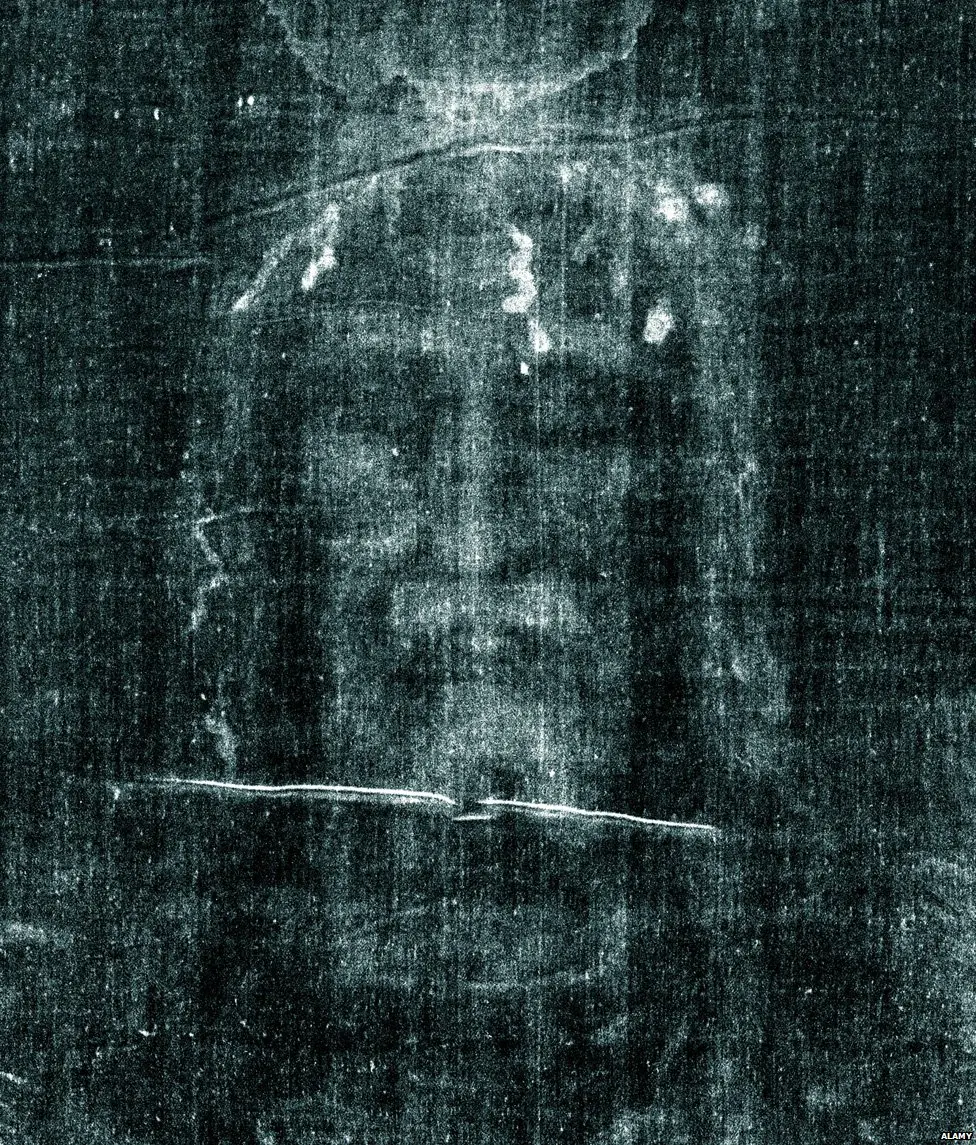
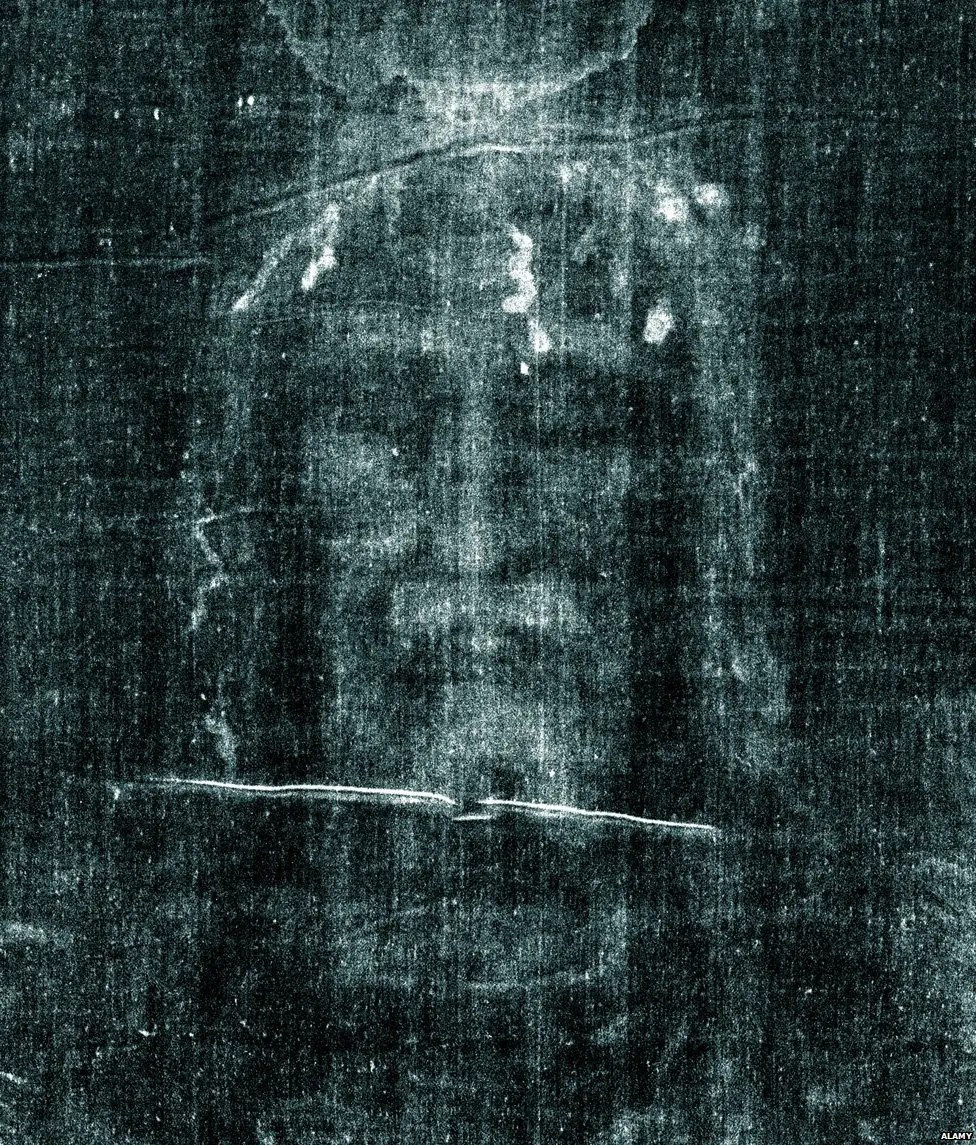
The Shroud of Turin, like most folks my age, came to prominence in the late 1970’s. At that time, National Geographic magazine published some of the first articles ever brough onto the world stage; even more important, they provided the 1st photographs ever taken of this mysterious burial cloth. It was, indeed, a spectacular topic making headlines everywhere. The most famous of these photographs was the mystical, yet serene face of a man who had obviously been mutilated and tortured. It became the most famous “face” of a deadman ever seen. The year was 1978 and the world was introduced to this burial cloth that many believed to be that of Jesus Christ. Over the years, hundreds of books, documentaries, TV programs and lectures have all had their rightful place; yet most of the information is in fragments, or just downright misleading. In the next series of articles, I’m going to lay out the facts and myths we know about the shroud. Even in our moment, social media has run along with more of the myths and conjectures rather than the truth and logic and science behind the cloth as well as the history of the time period in which, allegedly, the shroud belongs. MUCH OF THE INFORMATION ON YOUTUBE AND GOOGLE IS SERIOUSLY MISLEADING AND INACCURATE. Let me illustrate this with the following example.
THE BACKGROUND: DIVINE CLOTH IMAGES
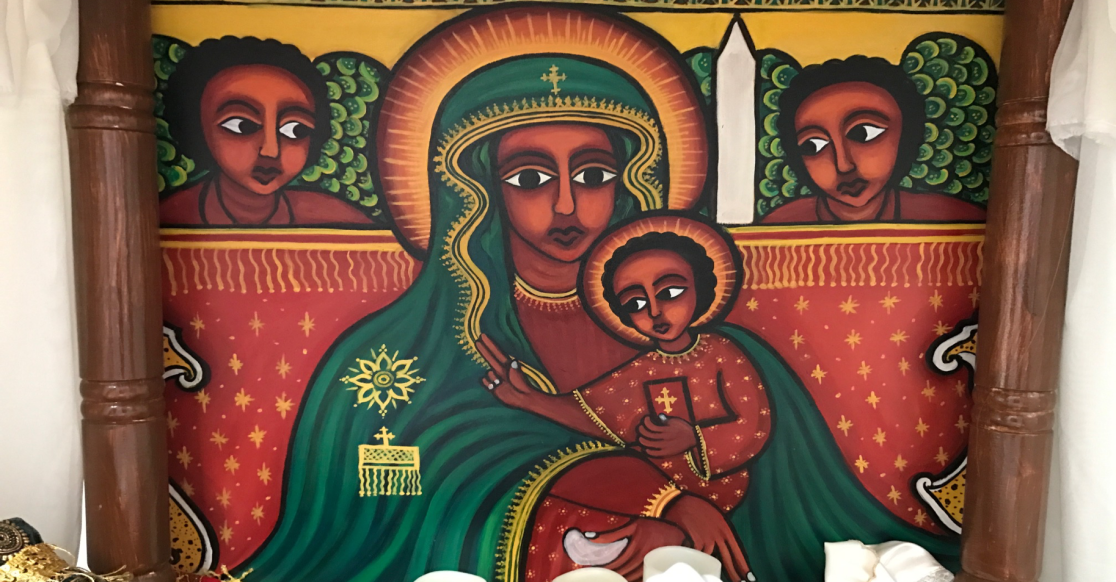
Prior to the 14th century, there are NO historical records pertaining to the shroud that is currently in the Turin Cathedral in Turin, Italy; however, there was a cloth in existence that historians believe was owned by the Byzantine emperors and somehow disappeared during the Sack of Constantinople in 1204. To attest to this claim, there are “written” reports that a shroud or cloth of Jesus Christ, or even an image of his head, is reported in numerous areas over Europe before the 13th century; it is also noted that these claims have no historical relation to the Turin shroud.
An even more striking familiarity with this cloth is the Image of Edessa. In this legend, which is actually recorded by the Church Historian, Eusebius of Caesarea. In this version he tells us about the King Abgar of Edessa who wrote to Jesus asking him to come to his palace and cure him of a terrible sickness that was plaguing him; for reasons not given, Jesus declined the invitation but sent an “image” of his face to the king (The Eastern/Oriental Orthodox Christians consider this to be the 1st icon created by Christ himself.) on a cloth; upon gazing at the face of Jesus, the king was cured. Where does Eusebius extract this information, right from the chancery writings of King Abgar himself; from there, the claim was spread by Thaddeus of Edessa, one of the “Seventy Disciples” of Jesus; it is therefore not surprising that Eusebius would be convinced of its authenticity.
The next alleged example of evidence comes to us from a 6th century Syrian scholar by the name of Evagrius Scholasticus; an excerpt written in 593 tells us about a portrait of Christ by “divine origin” (The Greek word to describe is θεότευκτος. It simply means “fashioned by God.) In any event, he claims this image assisted in the miraculous defeat against Persia in 544 A.D. From there, this cloth image was placed in Constantinople; it has also been claimed that the cloth vanished by the Sack of Constantinople during the Fourth Crusade in 1204 as already mentioned above. What exactly happened is not known, but from other historical narratives, it was claimed that the cloth somehow shows up as a sacred relic in the court of King Louis the 14th of France; from there, when the French Revolution commences, it vanishes once again, this time, for good. It is obvious, even from the historical record, this cloth has stories attached to it through the centuries. Ideas and concepts of sacred images of Jesus become quite popular, especially in Eastern Christianity, but the Roman Catholic Church itself would claim the grand prize, the true and authentic “cloth” of Christ.
But what is the Shroud of Turin’s actual history? What significance, if at all, did it convey to Christians living in the 12-13th centuries? Well, the historical evidence we have of 13th century Christian worship is astonishing diverse than how Christian’s worship today, irrespective of denomination. In my next essay, I will breakdown the historicity of the Shroud of Turin and how it gained notability as it currently has on the stage of the Christian world in progress.
© 2025, Mark Grago. All rights reserved.